What Are the Top Sustainable Home Decor Trends for 2026 in the U.S.?
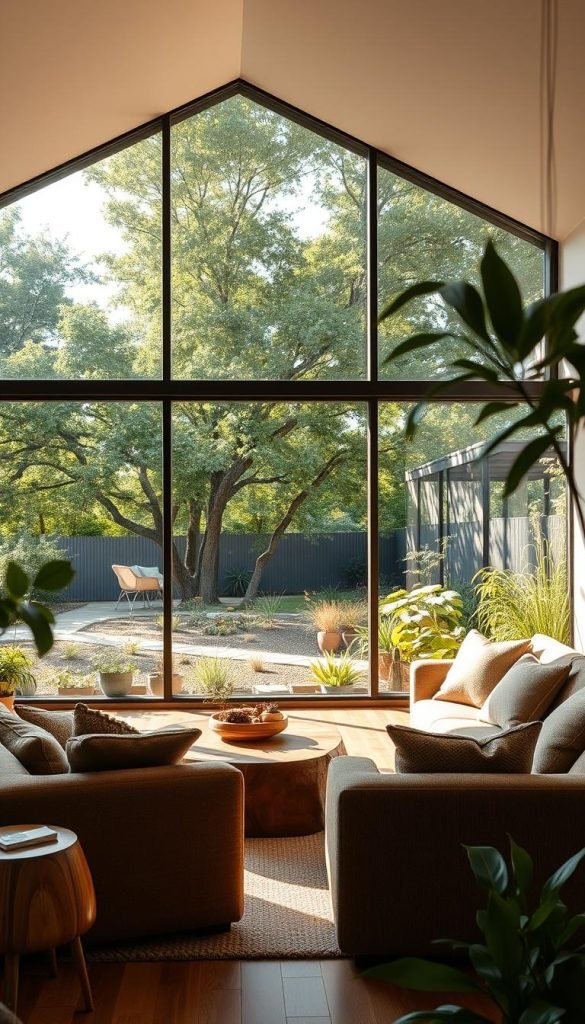
I’m looking ahead at the most meaningful shifts in interior design for 2026 and what they mean for my space. I focus on choices that make my home feel better, last longer, and reflect my personality rather than a passing fad.
Big ideas include biophilic evolution, circular economies with material traceability, and algorithmic ergonomics in seating. Designers are pairing smart systems with tactile, handcrafted finishes and favoring flowing, organic silhouettes and modular lighting that shifts between task and ambient modes.
I’ll lean into warm neutrals like creams and caramels paired with bold accents such as electric blue. Expect oversized, comfort‑first seating that doubles as sculptural art, reclaimed woods and recycled textiles, and a focus on materials that tell a story.
Key Takeaways
- I define top trends by durability, material transparency, and lasting design value.
- Technology meets craft: smart features with tactile finishes keep interiors soulful.
- Circular thinking and traceable materials reduce impact across a product’s life.
- Modular lighting and sculptural seating create flexible, stylish zones.
- Natural materials and vintage finds add character and resist mass-market sameness.
Why Sustainability Is Defining My 2026 Home Decor Choices
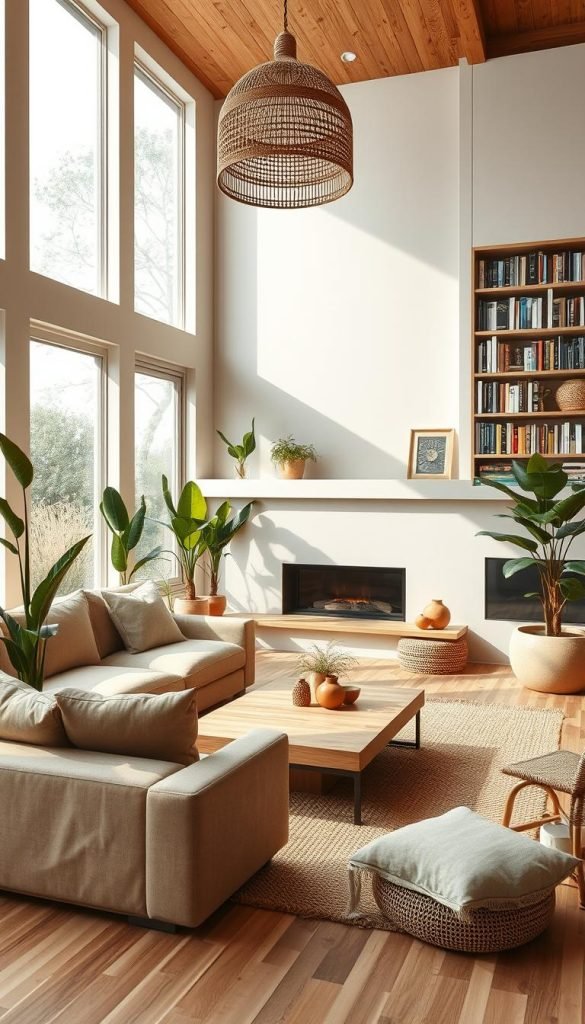
Comfort, craft, and clear material histories guide how I shape my living spaces. I no longer buy by label alone. I look for traceable origins, repairable construction, and fabrics that age with use.
My design approach is simple: fewer, better pieces. I invest in durable frames, natural textiles, and finishes that patina well. That reduces waste and saves money over time.
I favor warm, layered textures over stark minimalism. That shift reflects how I actually live—work, rest, and host in the same rooms. Smart systems help those spaces flex while cutting energy use.
I also choose local artisans when I can. Shorter supply chains mean lower transport impact and more meaningful provenance. Before I buy, I weigh repairability, warranties, and end‑of‑life plans.
- I treat sustainability as a guiding lens for every choice.
- I read labels, ask questions, and favor circular options.
Natural Materials Take Center Stage: Wood, Stone, Linen, and Wool
Wood, stone, and woven textiles anchor my spaces with warmth and practical longevity. I pick core pieces that show honest grain and age well. That choice shapes my overall design and how rooms feel day to day.
Choosing FSC-certified natural wood and reclaimed finishes
I prioritize FSC-certified and reclaimed wood for tables and shelving. These options cut embedded impact and celebrate natural character.
I evaluate finishes for low‑VOC formulas and hardwearing performance so frames last and look better over time.
Linen, wool, and organic cotton fabrics for breathable comfort
I prefer linen, wool, and organic cotton for upholstery and throws. These fabrics breathe, regulate temperature, and clean without harsh methods.
Recycled textile options can give plush looks while supporting circular use in my interiors.
Stone accents and handcrafted rugs to ground living spaces
Stone tabletops and small accents add mass and visual variation. Handcrafted rugs bring texture underfoot and repairable weaves that can be passed down.
| Material | Benefit | Care |
|---|---|---|
| FSC wood | Durable, traceable | Oil yearly, avoid direct sun |
| Linen & wool | Breathable, cozy | Spot clean, gentle wash |
| Stone | Visual weight, unique veining | Seal periodically, wipe spills |
| Handwoven rugs | Texture, heirloom quality | Rotate, professional clean |

Let materials lead the artful narrative in my design choices. Neutral creams and clay tones pair well with wood and rugs to create calm, lasting interiors that read as thoughtful art.
Circular Economies and Traceable Design Lead the Way
I choose pieces that can be repaired, reconfigured, or returned so they never feel disposable. That mindset shapes how I buy furniture and how rooms evolve over time.
Modular systems are my go‑to: frames with standardized parts, visible joinery, and accessible spares make maintenance simple. Brands piloting buy‑back and repair programs keep pieces in circulation and cut waste.
I read labels for percent recycled content, region of origin, finish chemistry, and fastener types that enable disassembly. Traceable provenance helps me compare real circular performance across brands.
- I look for strong joinery, replaceable modules, and clear access to spare parts.
- Local repair shops and refurb services extend life and keep character intact.
- Buy‑back credits lower total cost of ownership and make higher‑quality items more accessible.
Reclaimed wood mosaics and CNC textures turn reused elements into one‑off pieces that feel deliberate. Across my living and workspace, maintenance becomes part of the plan, not an afterthought.
Biophilic Evolution: From Greenery to Functional Indoor Farming
I want greenery that works for me: edible herbs, clean air, and sculptural form in one compact package. Compact, tech‑driven gardens now pair recycled aluminum or bamboo frames with AI‑timed LEDs and hydroponics.

Smart indoor gardens and vertical planters let me grow herbs and salad greens year‑round in small living spaces. I choose vertical racks that double as room dividers and planters with easy‑access reservoirs.
Maximizing natural light and airflow
I place planting zones near large windows to capture natural light and views. Reflective surfaces and sheer layers boost brightness while layered shades keep privacy.
Soundscapes, textures, and practical materials
I add gentle soundscapes and tactile 3D wallpapers for calm and acoustic dampening. I prioritize materials that resist mold and clean easily around planters.
- I design work‑and‑rest zones by windows to balance light and privacy.
- I keep watering and pruning on a simple schedule so systems support well‑being, not chores.
- I use art that echoes organic forms to tie planting areas into my interiors.
Lighting That Adapts: Modular, Sculptural, and Energy‑Smart
Lighting now adapts like furniture, shifting roles as I work, relax, or host.
I layer task, ambient, and accent sources so each room can change without a renovation. Task fixtures sit close to work zones. Diffuse ambient pieces wash the room for downtime. Accent spots carve out focal points for art or plants.
I favor modular rails and magnetic heads that snap into new positions as my layout changes. That lets me move beams without an electrician and keeps plugs and battery‑powered pieces useful for renters.

Paper‑thin OLEDs and efficient LEDs
Paper‑thin OLED panels make bold, ever‑changing art statements. I use them where visuals matter most. For daily tasks, high‑CRI LEDs give truer color and lower power draw.
Dimming, zoning, and sensors help me cut energy use while improving comfort. Glass diffusers, metal frames, and soft fabric shades all change glare and warmth. I store scenes in smart controls for reading, dining, and movie nights, so the right light comes on with one tap.
- I reposition magnetic heads as seating shifts.
- I pair OLEDs for drama and LEDs for function.
- I keep portable sconces and plug‑in pieces for flexibility.
Curves, Organic Shapes, and Touchable Surfaces
I’m choosing flowing shapes that guide movement and invite touch throughout my living areas.
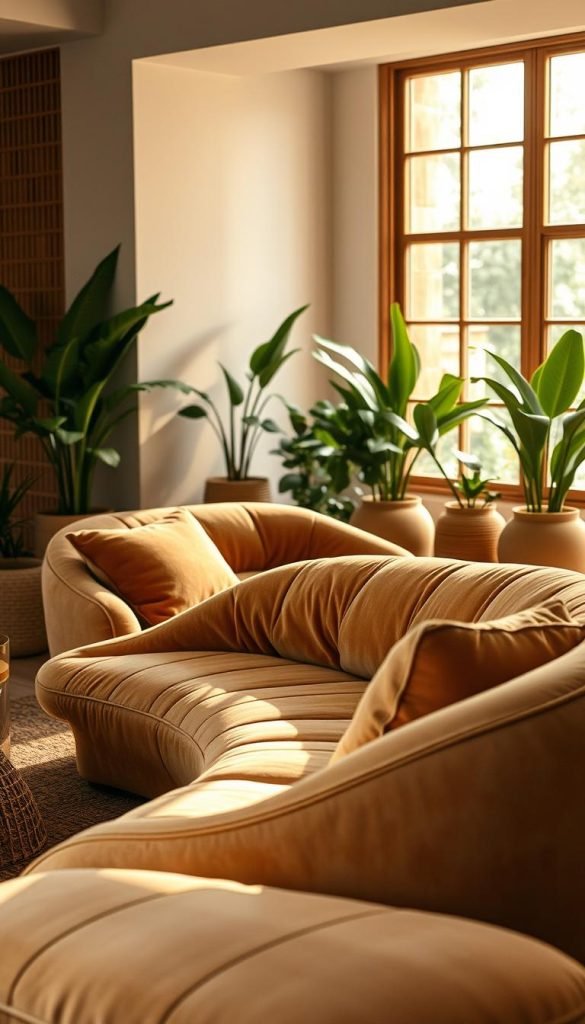
Rounded furniture and organic silhouettes make my rooms feel warmer and more human. I pick a few sculptural pieces rather than many small items to keep the space calm and intentional.
I lean into tactile materials—plaster walls with carved patterns, recycled cork headboards, and hand‑woven rugs that echo natural forms. These surfaces invite touch and add depth to simple palettes.
Comfort here means supportive profiles and soft edges, not bulk. Oversized seating becomes both a resting spot and a piece of art that anchors a room.
- I favor repairable woods and refinished finishes so pieces last.
- I add freehand, hand‑painted accents to bring play and personality.
- Curves improve circulation and soften hard architectural lines.
My approach pairs organic forms with neutral backdrops so textures and silhouettes read as the focal art. That keeps the design readable and the space easy to live in.
Comfort-Forward Seating Meets Data‑Driven Ergonomics
Comfort now reads like strategy: I pick seating that supports real movement and long evenings on the sofa. My approach blends plush, deep seats with engineered shapes that follow how I sit and shift.
Deep, modular sectionals that flex with daily life
Modular pieces that adapt
I choose oversized sectionals with detachable modules so I can reconfigure for movie nights, guests, or solo lounging. Removable covers and replaceable seats help me keep pieces fresh without tossing frames.
Algorithmic ergonomics for healthier posture
Data‑driven geometries shape backrests and cushions to support spinal curves and pressure points. That means seating feels intuitive—less fidgeting, better posture, and more comfort over time.
- I favor certified foams, natural latex, and kiln‑dried frames for durability and performance.
- I plan seating so sightlines, conversation flow, and daylight access remain clear.
- I check warranties and service options to ensure pieces can be repaired, not discarded.
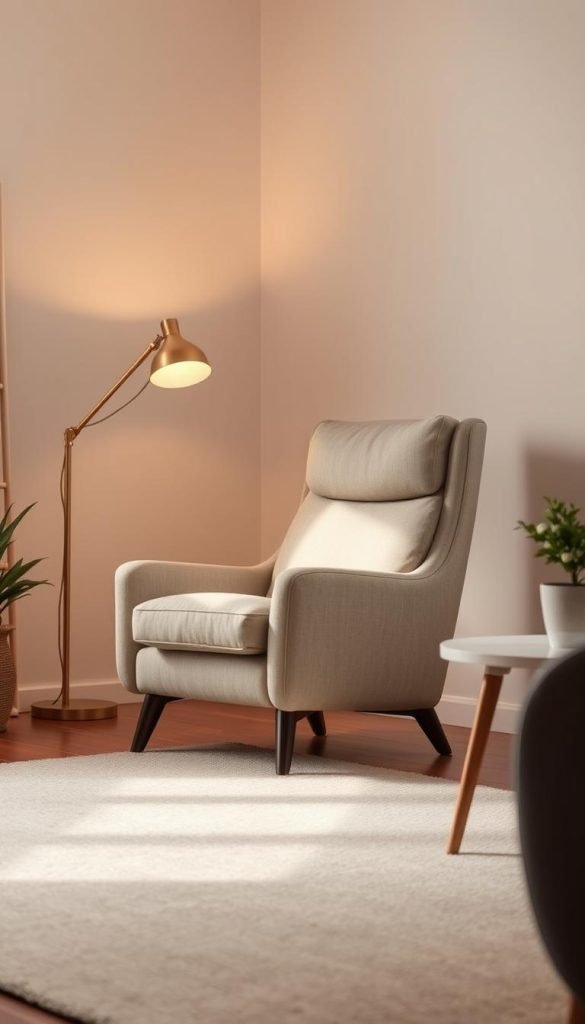
| Feature | Why it matters | What I look for |
|---|---|---|
| Deep seats | Allow varied postures and long comfort | Removable cushions, supportive base |
| Algorithmic shaping | Aligns support to natural curves | Data-backed design, pressure mapping |
| Modular frames | Flexibility for different space uses | Replaceable modules, clear spare parts |
Color Palettes with Warm Neutrals and Bold Brights
I build color schemes that feel warm at first glance and confident on closer inspection. I start with friendly beige, cream, and caramel tones as my base. These shades pair beautifully with natural wood and brass hardware to create a soft, timeless backdrop.

Creams, caramel, and clay tones that pair with natural wood
My base palette relies on creams and caramels layered over wood grain. I choose finishes that reveal warm undertones so brass details read intentional, not fussy.
Monochrome rooms layered with texture, not clutter
When I adopt a single color family, I vary sheen and material. Matte walls, nubby rugs, and silk or velvet cushions keep the room rich without adding clutter.
Electric blues, lime greens, and hot pinks used with intention
I test bold brights in small doses first. A painted cabinet, a dining chair, or an accent rug can lift mood without overwhelming the space. I repeat the hue in art, ceramics, and lighting to tie pieces together.
| Palette | Best Use | Finish Tips |
|---|---|---|
| Warm neutrals | Living rooms, bedrooms | Matte walls, oiled wood, satin brass |
| Monochrome textures | Minimal interiors | Mix weaves, pile heights, and metals |
| Bold accents | Kitchens, dining | Scale color on one wall or one cabinet run |
Artisanal Craft, Vintage Finds, and Mixed Finishes
I collect one-off pieces that tell a maker’s story and anchor each room with quiet confidence.
Supporting local artisans means I seek out makers whose process I can describe. I buy directly when I can to keep shipping low and provenance clear.

Mixing retro with modern
I pair a vintage silhouette with clean-line furniture to create depth. A hand‑knotted rug or an irregular mirror becomes a focal point next to a streamlined sofa.
“A single standout vintage piece can guide my palette and the rest of my selections.”
- I favor repairable construction: solid wood frames and replaceable upholstery.
- I mix finishes like brushed brass with blackened steel to avoid matchy-matchy looks.
- I treat art as daily-use objects — tables, chairs, and mirrors that also serve as art.
| Element | Why I choose it | Where I place it |
|---|---|---|
| Reclaimed wood | Tactile detail and story | Dining table or console |
| Hand‑knotted rugs | Durability and texture | Living or dining zones |
| Irregular mirrors | Functional art, unique reflections | Entry or above a mantel |
Before I buy, I ask about maker practices and maintenance support. For vintage textiles I consult guides like decorating with vintage fabrics to ensure pieces age well and can be cared for.
sustainable home decor trends 2026 usa: What I Expect to See in Every Room
I map practical choices room by room so each space performs and feels considered.
Living room: I expect see oversized, sculptural seating that acts as the focal furniture. I’ll pair a deep, modular sofa with statement lighting I can reposition and tactile rugs to define conversation zones.
Kitchen and dining
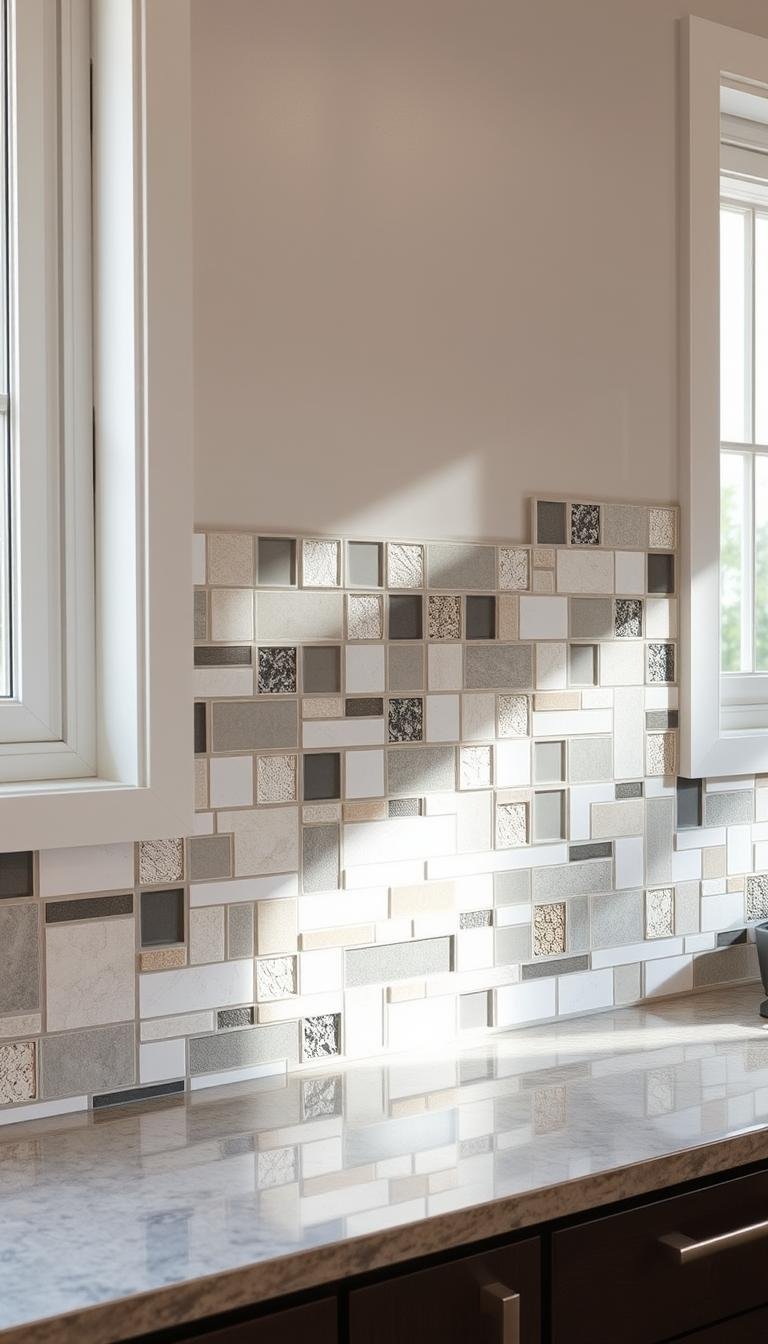
I expect see durable finishes and natural wood details in cabinets and tabletops. Color‑forward accents—bold cabinetry or a single painted wall—add energy while stone counters handle daily use.
Bedroom
For rest, I choose breathable linens, curved headboards, and warm neutrals. Soft walls, layered textiles, and rounded silhouettes make the room calm and inviting.
Lighting and layout: I design layered scenes per room—ceiling, wall, and portable fixtures—so light follows tasks and mood. Natural light is maximized with reflective finishes and strategic furniture placement.
“A few durable, repairable pieces keep rooms useful and beautiful for years.”
- I specify hardwearing materials for dining and cozy layers for living spaces.
- I plan storage to keep surfaces clear and maintenance simple.
- I prefer repairable frames and responsibly sourced materials so pieces last.

| Room | Key pieces | Material focus |
|---|---|---|
| Living room | Modular sofa, statement light, rugs | Textured fabrics, natural wood |
| Kitchen & dining | Durable cabinetry, stone counters, dining table | Natural wood, sealed stone |
| Bedroom | Curved bed, breathable textiles, soft lighting | Linen, wool, matte paint |
Conclusion
I close by naming practical choices that make interior design serve my life: I invest in durable furniture, verifiable materials, and pieces with replaceable parts so rooms age well and waste falls.
Key elements I’ll phase in room by room are biophilic planting, adaptive lighting, and comfort‑first seating. I’ll prioritize durable dining upgrades now and let art and accents evolve with season and style.
I choose modular systems and multifunctional layouts so spaces stay flexible. I also commit to supporting artisans and to wood and fabrics with clear provenance.
Quick checklist: Can this be repaired? Do finishes on walls and surfaces need seasonal care? Will this furniture stay useful for years? These questions guide my next steps.