How Can I Create a Cozy Scandinavian-Style Living Room on a Budget?
I set out to make a warm, calm, and useful space without spending a lot. My plan leans on simple lines, neutral colors, and natural materials that let light and air lead the design.
I focus on function first: I pick pieces I use and love so the area stays intentional, not crowded. Decluttering comes before shopping so the room can breathe.

My budget approach is practical: small DIYs, thrifted finds, and one or two quality anchors. I start with paint and lighting, then add textiles for hygge and a few plants to add life.
Neutral palettes, layered lighting, and natural textures add instant charm and a calm feel that works all year. I’ll share step-by-step tips, furniture choices with clean lines, and weekend-friendly ideas that make the makeover fast and doable.
Key Takeaways
- Start by decluttering so the space feels larger and calmer.
- Prioritize paint, lighting, and one standout piece to anchor the style.
- Mix thrift finds and simple DIYs to stretch your dollars.
- Use neutrals, natural materials, and layered light for lasting charm.
- Add plants, abstract art, and woven textures for a lived-in feel.
My Scandi Game Plan: Simple, Functional, and Warm—Without Overspending
I start by mapping priorities so every choice supports how I live and unwind. I want simplicity and function first, then warmth. This keeps the design honest and useful.
I do a declutter pass to clear surfaces and floor space. An open flow helps the space feel larger and calmer.
I set a spending cap and spend on paint, lighting, and one key furniture piece. Quality over quantity keeps the aesthetic timeless and affordable.
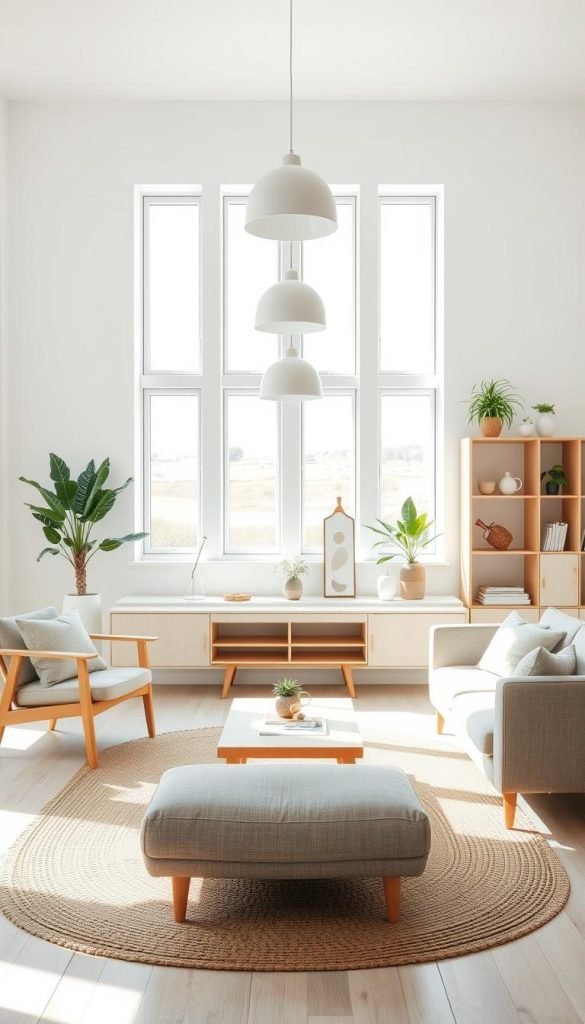
I pick multi-functional pieces—storage coffee tables and slim side tables that double as desks. I follow simple rules: one-in-one-out for decor and baskets for quick tidy-ups.
- Define priorities: simplicity, function, then comfort.
- Phase the project: paint/declutter, lighting/layout, textiles, finishing touches.
- Keep a shortlist of ideas and tips on my phone for fast decisions.
| Phase | Focus | Payoff | Sample Cost Priority |
|---|---|---|---|
| Phase 1 | Paint & declutter | Instant calm | Low |
| Phase 2 | Lighting & layout | Better use of space | Medium |
| Phase 3 | Textiles & decor | Warmth and texture | Low–Medium |
Start with a Neutral Color Palette for Instant Calm
I begin by choosing a soft, neutral backdrop that makes the space feel open and calm. A simple base helps light reflect and gives me a flexible canvas for textiles and wood accents.
“A well-chosen wall color changes everything; it makes small tweaks feel like a full overhaul.”
I pick a neutral color palette of warm whites, soft grays, and pale beiges. These budget paint picks reflect daylight and pair well with stone and wood.
For contrast, I add one dark accent—black, charcoal, or navy—on a lamp, frame, or single wall. That small dose sharpens the design without clutter.
Subtle pastels like dusty blush, sage, or misty blue go into art or cushions. They layer depth while keeping the aesthetic simple and calm.
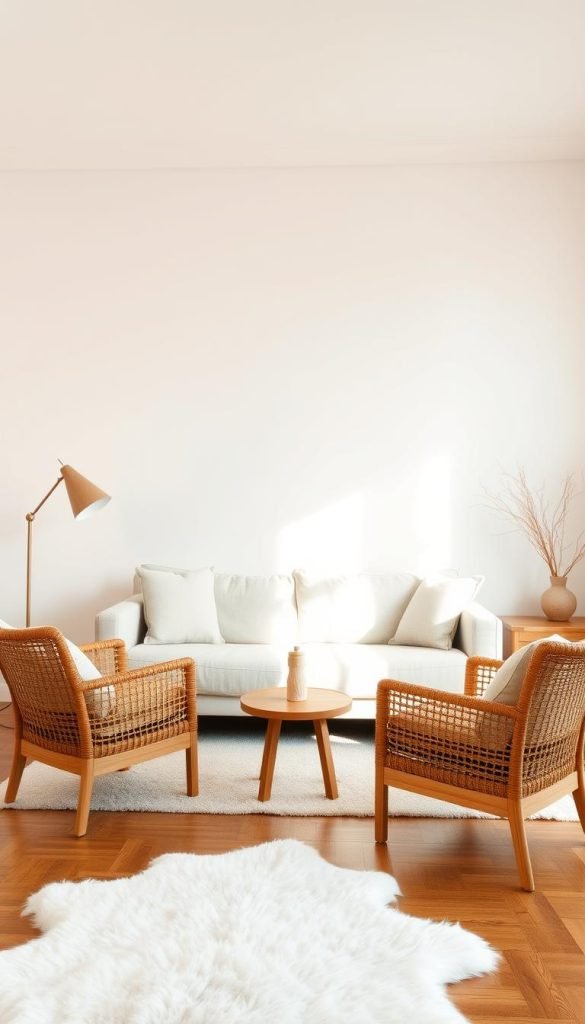
I test swatches on different walls to see how color shifts through the day. Then I repeat the same palette in pillows, rugs, and throws so the living room reads cohesive and intentional.
Let There Be Natural Light—and Layer the Rest
I let daylight do the heavy lifting and keep fixtures for when the sun goes down. Maximizing natural light makes a small space feel open and calm. Then I add layers of light to shape the evening atmosphere and keep function at the fore.
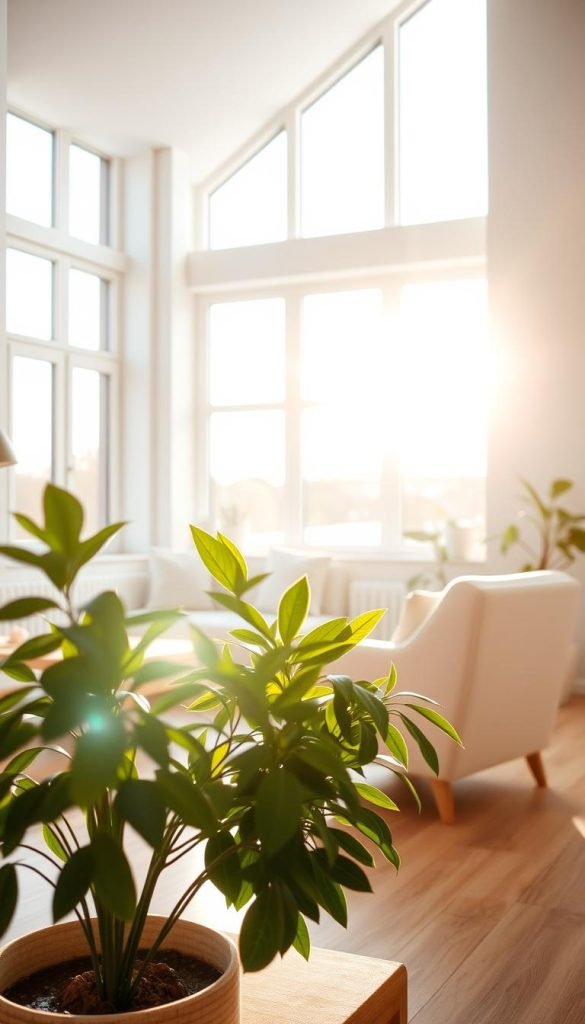
Free light: sheer window treatments and clutter-free sills
I start by swapping heavy drapes for sheer curtains and clearing windowsills so natural light floods the living room. Low-profile furniture keeps sightlines clear and lets daylight move across the space.
Ambient, task, and accent lighting the Scandinavian way
My three-layer plan uses ambient ceiling or lantern-style floor lamps, task lights for reading, and small accents—candles or picture lights—for mood. I use warm-toned LED bulbs and dimmers to shift ambiance from active to relaxed.
Mirrors and reflective finishes to bounce brightness
I place mirrors opposite windows and add pale rugs and light wood finishes so light reflects deeper into the room. Rattan or cane lampshades add texture and soften the glow while slim, matte fixtures keep the overall design clean and intentional.
- I check cord placement and lamp heights so lighting is practical and pretty.
- I repeat finishes across fixtures to keep the plan cohesive.
Natural Materials That Bring the Outdoors In
I favor tactile elements—wood, stone, leather, and rattan—to anchor the design. These natural materials add warmth and texture without needing big spend. I use them to make the space feel honest and lived-in.
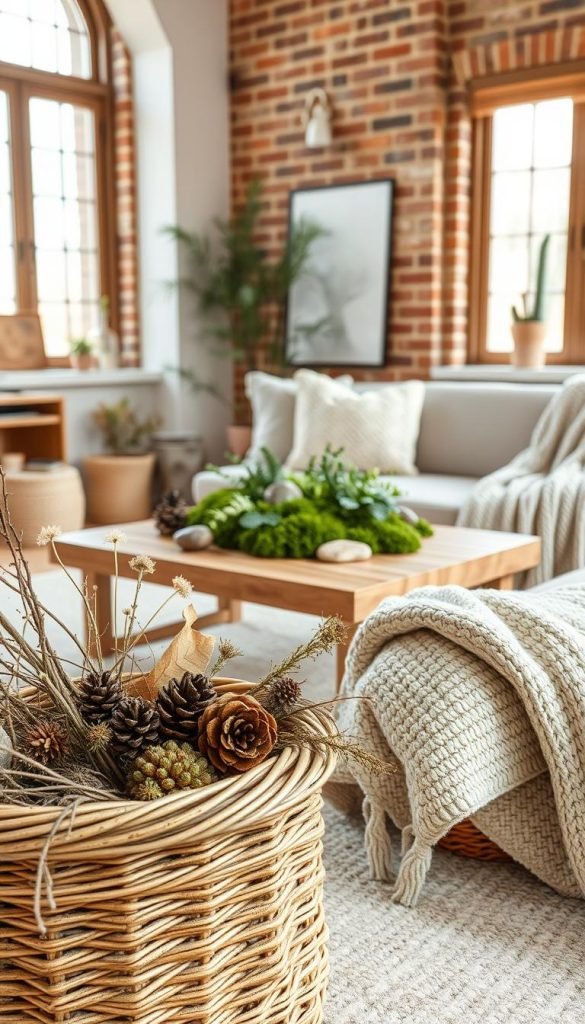
Low-cost ways to add wood, stone, leather, and rattan
I build my palette around natural materials—wood, stone, leather, and rattan—because they add authenticity without inflating costs.
- I hunt second-hand solid-wood side tables and a leather sling chair for character and durability.
- Wicker baskets and rattan planters add texture and act as storage.
- Stone-look accents, like a travertine tray or ceramic lamp base, give texture without full slabs.
Sustainable swaps: veneer, laminate, and second-hand finds
I mix lighter and darker wood tones to avoid a matchy feel. A lighter coffee table pairs well with an oak frame to create layers.
Veneer or high-quality laminate shelves mimic natural wood affordably. I pick one standout wood piece and echo it in smaller accents for cohesion.
Minimal, Functional Furniture with Clean Lines
I focus on three practical pieces that shape how I live in the space.

What to prioritize: sofa, accent chair, coffee table with storage
I start with the essentials: a comfortable sofa with simple arms, an accent chair that adds personality, and a coffee table that hides clutter.
- I look for slim legs and simple silhouettes so the furniture keeps sightlines open.
- An accent chair can add a pop of color and extra seating without bulk.
- Storage in a coffee table or ottoman reduces visible clutter and improves daily function.
Where I save: thrifting, marketplace finds, and flat-pack hacks
I shop second-hand and local marketplaces first. Then I check flat-pack options I can upgrade with new legs or stain.
| Item | Spend | Save | Quick Tip |
|---|---|---|---|
| Sofa | One quality anchor | Replace cushions or slipcovers | Measure for depth and seat height |
| Accent chair | Low–Medium | Thrift for character | Choose a clean silhouette |
| Coffee table | Low–Medium | Flat-pack with storage hack | Keep legs slim for flow |
Layout tips for airy flow in small living rooms
I pull furniture slightly off the walls to make pathways. This trick gives a sense of movement and makes the space feel larger.
I anchor seating with a rug so the area reads as one zone. I coordinate finishes—light oak, matte white, or black metal—so mixed pieces feel cohesive.
“Simple forms and honest materials keep the interior useful and calm.”
Tip: Measure twice, test seat comfort, and favour quality over quantity. These steps help the design hold up over time and keep the scandinavian living style authentic.
Hygge on a Budget: Cozy Textiles and Texture
A few well-chosen fabrics change how the whole area feels and sounds. I use textiles to add immediate warmth and tactility without crowding surfaces.

Core textiles: wool throws, linen curtains, soft rugs
I layer wool throws, linen curtains, and a low-pile rug to bring softness and practical comfort. Natural fibers like wool, linen, and cotton handle wear and breathe well.
I keep pillow counts modest. Fewer, better pieces make the space inviting and easy to maintain.
Patterns that stay Scandi: stripes, checks, and geometrics
I stick to simple patterns—stripes, checks, and small geometrics—so the palette reads calm and cohesive across the living room.
- I mix chunky knits with flat-weave rugs for contrast in texture.
- I repeat two or three hues across cushions and throws to unify the room.
- Washable covers and proper curtain lengths keep the interior practical and neat.
“Textile layers add warmth and structure while keeping the overall design light.”
Plants, Botanicals, and Simple Decor for a Lived-In Look
I soften straight lines with a few well-placed plants and tactile objects. A small selection of greenery and pared-back art makes the space feel lived-in without cluttering it.
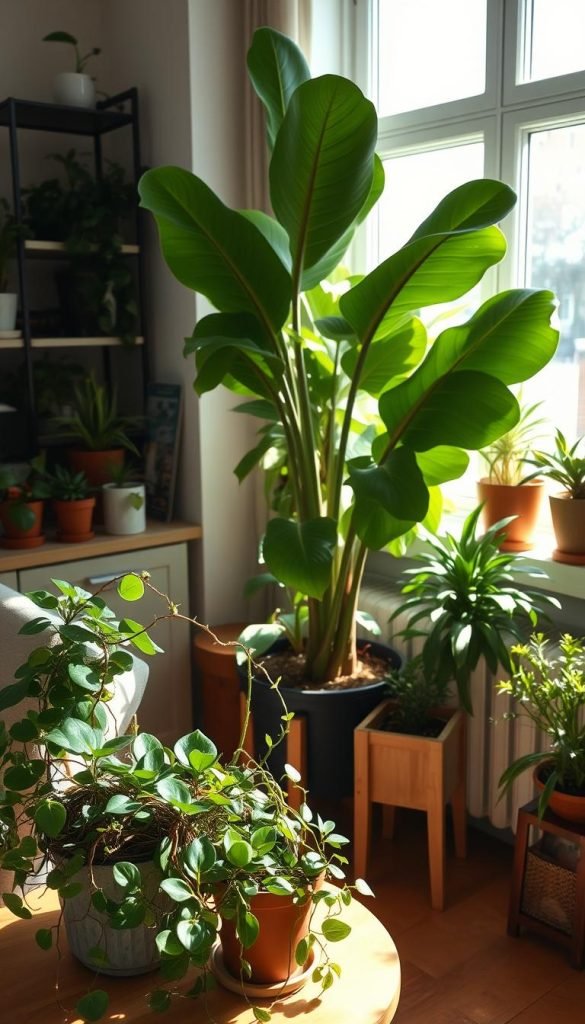
Easy-care greenery to soften clean lines
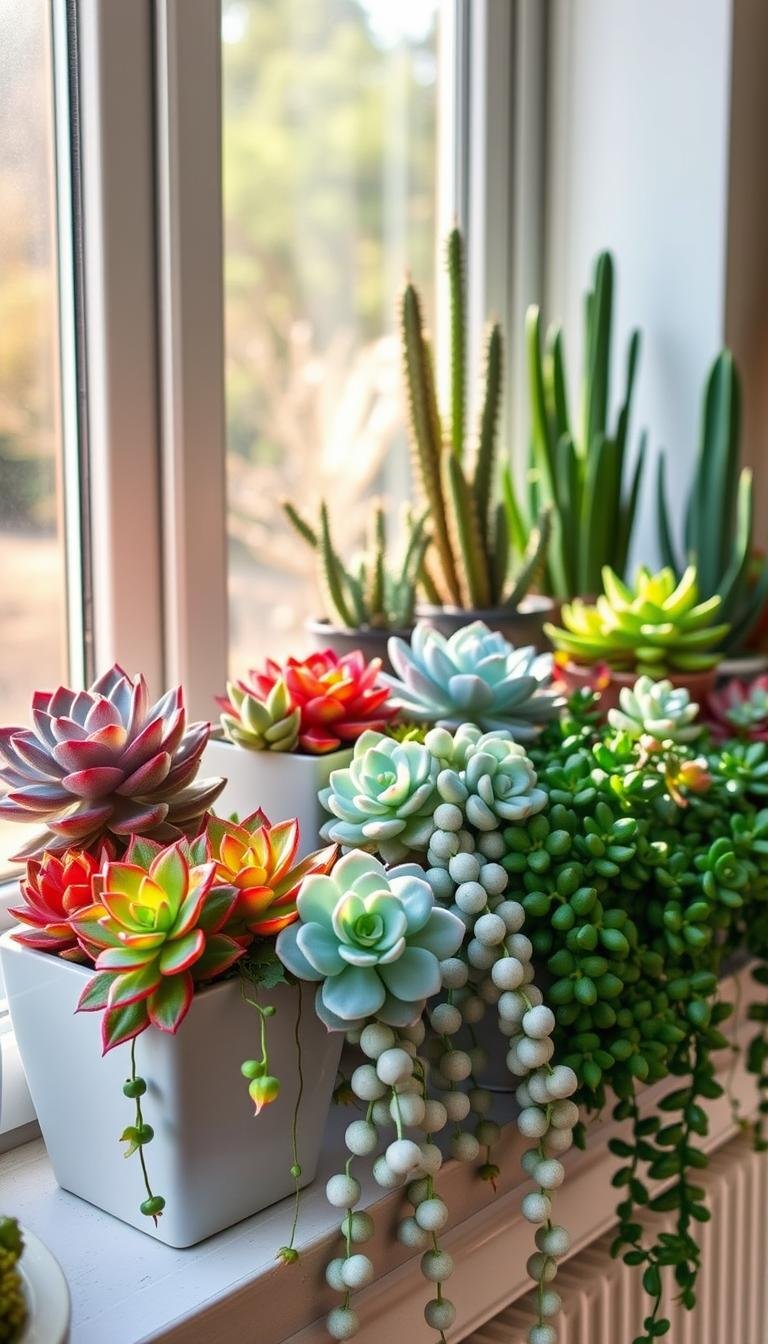
I use easy-care plants—snake plant, pothos, and ZZ—to add life where I want it most. They handle low light and need little fuss.
I cluster pots in odd numbers on a low shelf or bench to form a calm vignette. I also vary heights with a stand and a tabletop pot to keep the eye moving.
- Place plants where they get indirect light and don’t block windows.
- Use woven baskets for pots to add texture and hidden storage.
- Repeat a wood tone from furniture in frames or trays for cohesion.
Understated art: abstract prints and nature-inspired pieces
I frame muted abstract prints in slim oak or black frames to match the overall palette. Subtle shapes and soft colors suit the interior and echo the plants nearby.
I pair botanical sketches or landscape pieces with actual stems in a simple vase. Rotating seasonal grasses or dried stems refreshes the look without new purchases.
Tip: Keep a short list of decor elements—one bowl, one candle set, one sculptural vase—so the space reads curated, not crowded. For more modern organic ideas, see modern organic ideas that fit this aesthetic and style.
Rustic Scandinavian Touches that Add Warmth
I layer heritage-inspired elements like woven baskets and exposed grain to ground the space. These small choices bring tactile charm and a lived-in feel without heavy work.
I lean on woven baskets, knitted blankets, and a low-pile woven rug to echo traditional Nordic textures. A knitted throw and a simple rug add immediate warmth and soft contrast to clean furniture.
Woven baskets, exposed wood grains, and tactile elements
I use baskets for storage and display so texture also serves function. Exposed wood grains on a coffee table or shelf add depth and link other natural accents.
Budget focal points: faux beams, stone-look accents, candles
A faux beam or a stone-look mantle shelf gives the area character without a full renovation. I place stone-look ceramics and a wood tray nearby to repeat the materials and tie the vignette together.
- I stack candles in simple holders for a soft evening atmosphere that feels intentional.
- I add a reclaimed stool or vintage side table as a functional accent with charm.
- I balance rustic accents with clean silhouettes so the style stays refined, not overly rustic.
“Texture-rich simplicity feels timeless and welcoming.”
How I create cozy scandinavian living room budget: My Step-by-Step List
I concentrate on big, low-cost wins that improve light, texture, and function fast.
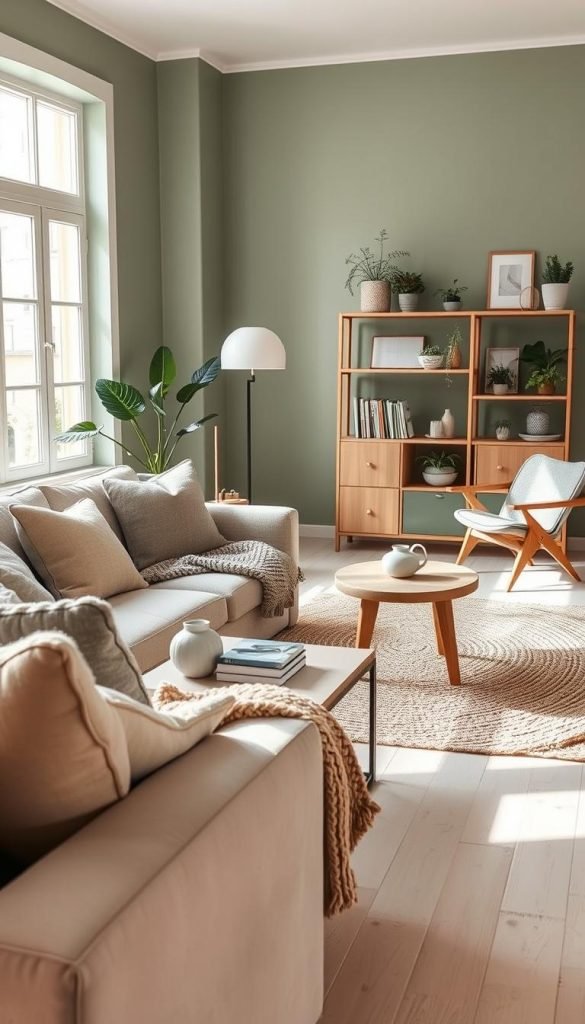
Starter kit: paint, lighting, one statement wood piece, and plants
My starter kit is simple: a gallon or two of warm white paint, two to three light sources with warm bulbs, one standout wood table or chair, and two easy plants. These items shift tone, add texture, and bring life without a major spend.
Weekend makeover plan: declutter, paint, relight, re-texture
I break the project into small, doable days so progress is visible.
- Day 1: declutter, patch, and measure furniture footprints.
- Day 2: paint walls in a neutral tone to lighten the space.
- Day 3: set layered lighting—ambient, task, accent—and place mirrors to bounce daylight.
- Day 4: add textiles, abstract art, plants, and hidden storage solutions.
Common mistakes to avoid: overdecorating and darkening the space
I avoid heavy drapes, too-dark paint, and overfilling shelves. Those choices shrink sightlines and mute natural light.
Tip: Style with restraint—one tray, one stack of books, one candle—and repeat key colors at least three times for cohesion.
“Quality over quantity keeps the design lasting and calm.”
| Step | Action | Impact |
|---|---|---|
| Lighten walls | Warm white paint, test swatches | Brightens the interior and reflects daylight |
| Layer lighting | Ambient + task + accent with warm bulbs | Creates flexible mood and function |
| Statement wood | One oak table or chair | Adds warmth and anchors the design |
| Plants & mirrors | Two plants; mirror placement opposite windows | Introduces life and bounces brightness |
Final note: I track costs and prioritize upgrades by impact. Small, well-placed changes make the space function better and feel complete without overspending.
Stretching Every Dollar: Thrift, DIY, and Quality Over Quantity
I stretch every dollar by turning small fixes into noticeable style wins. I begin at thrift stores and online marketplaces to find solid-wood pieces that need just a light sand or oil. This saves cash and gives a unique touch to my interior design.
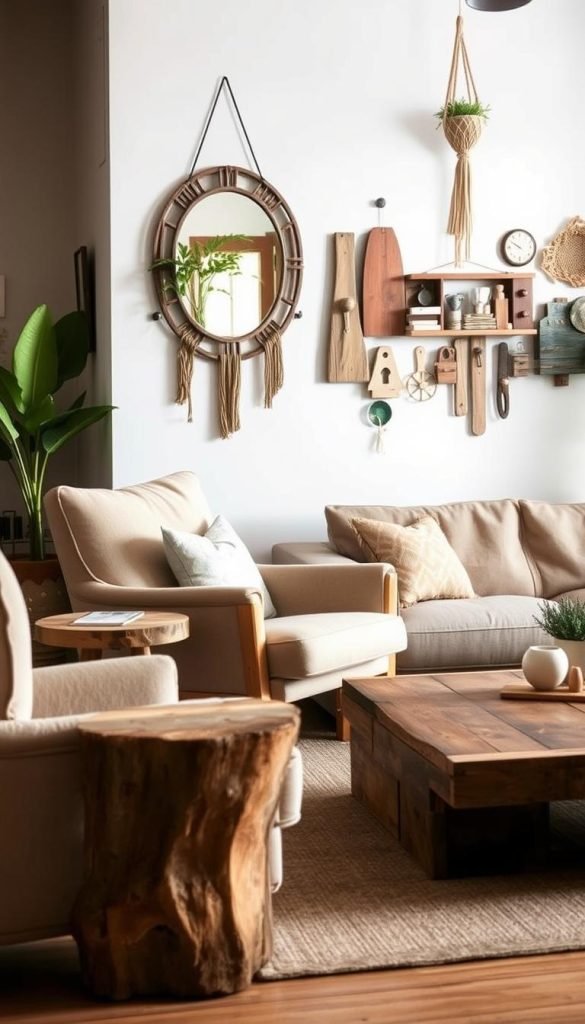
I follow simple rules: check joinery and frame strength first, standardize hardware finishes, and save for one well-made sofa or chair rather than buying many filler items.
My DIY ideas are small but effective. I swap hardware, add new legs, or install a plywood shelf. I also repurpose a bench as a plant stand or stack books to make a minimal side table.
- I edit decor to essentials to keep the space airy and focused on functionality and charm.
- I refresh textiles seasonally—new pillow covers or a throw—to refresh the look without big spend.
- I let patina show on vintage elements; age adds character many new items lack.
| Action | Cost | Impact | Time |
|---|---|---|---|
| Thrift solid-wood furniture | Low | High — durable base pieces | 1–2 weekends |
| Simple DIY tweaks (legs, hardware) | Low | Medium — elevated finish | 1 afternoon |
| Invest in one quality sofa/chair | High | Very high — anchors design | Several weeks (save & shop) |
Tip: Tackle one small project each week. That steady pace keeps momentum and protects your wallet while upgrading the home with intentional design.
Conclusion
My final step is to let light and texture guide edits until each item earns its place. I focus on simplicity, a tight color palette, and natural light so the scandinavian living room reads calm and intentional.
I favor honest materials and clean lines: one or two wood pieces, layered lighting, and practical furniture that stores well. This keeps the interior useful and warm without excess.
I add small touches—plants, woven baskets, subtle art—to bring texture and ambiance. I protect the plan by decluttering often and letting negative space breathe.
I move slowly, spend where it matters, and enjoy how each step improves my home. With restraint and intent, I can live comfortably and keep the scandinavian living style true to its warmth and function.